
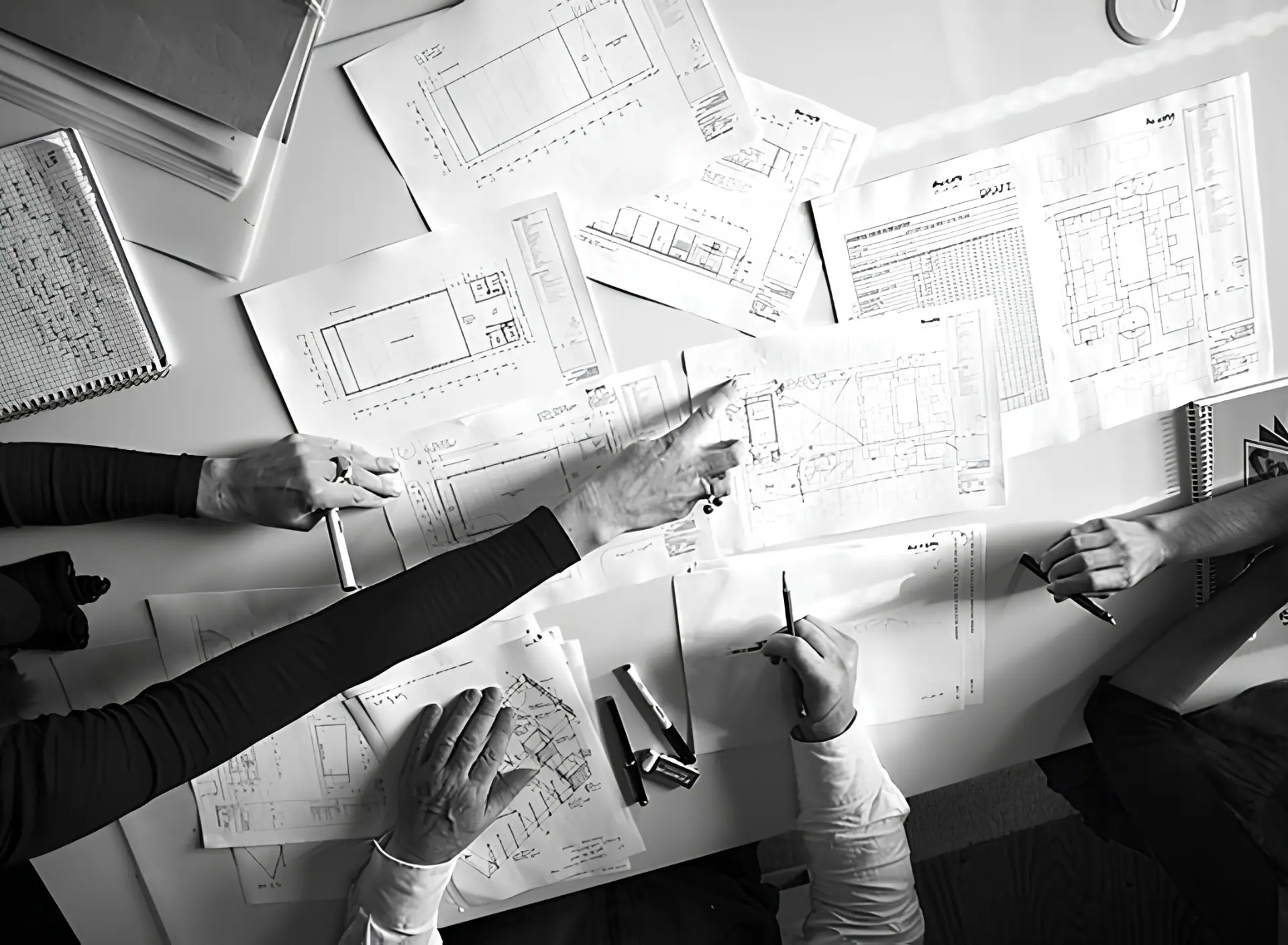
We often think architecture begins with walls, roofs and materials. In reality, it begins much earlier.
It begins with people. Every day, we move through spaces that quietly shape our behaviour. The route we take through a building, the way we interact with others, how long we stay somewhere, whether we feel comfortable, stressed, inspired or connected—all of these experiences are influenced by design.
Yet most people rarely notice it. When a workplace feels exhausting, we blame the workload. When a classroom struggles to engage students, we question the curriculum. When a neighbourhood feels disconnected, we assume people simply keep to themselves.
But often, the environment itself is part of the story. Architecture has always been a behavioural tool.
Long before modern psychology existed, cities, homes and public spaces were designed to influence human activity. Ancient courtyards encouraged gathering. Public squares became centres of exchange. Verandas created transitions between private and public life. The design wasn’t accidental. It reflected an understanding that people respond to space.
Today, science is helping us understand why. Natural light has been linked to improved mood, better sleep and increased productivity. Access to greenery can reduce stress and mental fatigue. Well-designed public spaces encourage social interaction and foster a stronger sense of community. Even something as simple as visibility—being able to see where you’re going and understand your surroundings—can significantly influence how safe and comfortable a person feels.
These are not aesthetic decisions. They are human decisions.
Consider the modern workplace. For decades, efficiency drove office design. More desks, tighter layouts and maximum occupancy were often seen as measures of success. Yet many of these environments overlooked a fundamental reality: people are not machines.
Research increasingly shows that creativity, collaboration and wellbeing are strongly influenced by the quality of the environment. Access to daylight, acoustic comfort, informal meeting spaces and opportunities for movement all contribute to how people perform. In many cases, improving the workplace isn’t about changing people. It’s about changing the environment around them.
The same principle applies to homes. A house may meet every functional requirement and still fail the people who live in it. Families need more than bedrooms and living rooms. They need opportunities for connection. Spaces that encourage conversation. Corners that allow retreat. Environments that adapt as lifestyles evolve.
The most successful homes are not necessarily the largest or the most luxurious.
They are the ones that support the lives unfolding within them.
This shift in thinking is transforming architecture around the world.
The conversation is moving away from buildings as objects and towards buildings as experiences. Designers are increasingly asking not “What should this space look like?” but “How should this space make people feel?”
It is a subtle difference.
But it changes everything.
At ArchiWing, this belief sits at the heart of our approach. We see architecture as more than the creation of physical structures. We see it as the design of conditions that allow people to thrive.
Because every environment influences behaviour. Behaviour shapes experience. And experience ultimately shapes the quality of our lives.
The buildings we create today will influence how people live, learn, work, heal and connect for decades to come. That responsibility demands more than good aesthetics.
It demands a deeper understanding of people.
Perhaps that is the future of architecture, not designing better buildings, but designing better human experiences.

2 Comments
Jane Smith
Maecenas facilisis egestas lacus, eu pulvinar nunc varius dapibus. Nunc velit nulla, vestibulum vitae volutpat sed, ultrices id nisi. Fusce id tristique ipsum. Nunc tincidunt mi in dui tincidunt, at maximus ipsum consequat. Cras nec dolor feugiat, ultrices leo nec, posuere tortor. Pellentesque commodo tortor eget rutrum eleifend.
Alice Johnson
Donec rutrum nibh quis molestie blandit. Suspendisse id nisi at enim imperdiet convallis. Donec sodales tellus et leo sagittis, eu consectetur turpis porta. Phasellus diam quam, ullamcorper ut mattis varius, interdum vitae augue. Vestibulum pulvinar massa libero. Praesent ultrices dignissim tortor quis tincidunt. Vestibulum ac dignissim nibh.